
Garage cleanout in Middletown, NY

Get the garage floor back
A garage cleanout means taking the listed junk out of a garage, shed, or storage unit and giving you the floor back. Around here the call peaks in April. The door that froze shut in January finally opens, and a winter's worth of salt-crusted shelving, dead batteries, and abandoned projects is staring back at you.
What a garage cleanout is — and what it is not
It is a loading job with a broom at the end. You mark the keepers, we carry out what is listed, and the area we loaded from gets swept. It is not demolition — shelving and workbenches attached to the wall stay until someone unbolts them. It is not organizing: we do not sort your keepsakes into keep and toss piles. And it is not a wash down; we broom the floor, we do not hose the place.
The garage version of the work often rides with other loads. The household overflow is a house cleanout; the pile of fence boards and storm limbs out back is yard junk; and if the shed out back is worse than the garage, start with shed cleanout tips.
When an Orange County garage needs it
Seasonal garage cleanouts after winter are the local rhythm. Freeze-thaw swells the door frame, ice wedges a corner of junk against the wall, and by March there is a drift of grit and salt across everything. Add a house sale, an estate, or a car that has spent two winters outdoors because the garage became storage, and the cleanout stops being optional.
Access is the other local factor. Ranch and split-level garages in Wallkill and Middletown usually let the truck pull within a few feet of the door. Out toward Pine Bush and the black-dirt farms, spring mud can soften a gravel drive enough that we stage on the road and carry farther — which is a cost factor, not a complaint, and it is why we ask about the driveway when you call.
How the visit runs
Mark your keepers before we arrive — tape, chalk, or a note taped to the wall. We walk the space with you, you point at what goes, and we write the estimate: what is included, what is not, the price. The corner with paint cans, solvents, and the propane tank stays where it is; household hazardous waste is not part of a standard load. Tires and mattresses get confirmed before they ride. Then we load, sweep where we loaded, and the floor is yours.
What we can load
- Loose junk, furniture, and boxed items you have marked for removal
- Listed junk inside sheds and storage units with safe access — no demolition
- The old mower, confirmed case by case, with fuel handled separately
- Loading, haul-away, and a sweep of the cleared area
What is not included
- Liquid paint, solvents, pesticides, propane tanks, and car batteries
- Sorting your keepsakes, washing the garage, or detaching built-in shelving
- Dirt and concrete by the yard — those route differently at the facility
- The fridge, unless certified refrigerant recovery has already happened
What affects the cost
Volume first — a one-car sweep-out is not a two-car hoard — then weight, the carry from the door to the truck, and whether the drive lets us park close. Disposal fees run by the ton and by material, and they sit in the written estimate. Spring weekends book out furthest; a weekday look is easier to get. Request an estimate or call and describe the pile.
Questions homeowners ask
What will junk removal companies not take from a garage?
The short list: wet paint, solvents, fuels, pesticides, propane tanks, car batteries, and anything that looks like asbestos — old pipe insulation, suspicious tile, flaking popcorn ceiling. The transfer station and the law route those elsewhere, so they stay out of our truck. If you are unsure about an item, ask when you book and we will tell you plainly. The full list is in what not to put in a junk haul.
Can the garage fridge and the old tires go?
The fridge goes only after certified refrigerant recovery, as its own line on the estimate. Tires get confirmed before they ride, because facilities treat them as a separate stream with their own fee. Neither is a surprise we spring on you at the truck.
Do I have to empty or organize anything first?
No organizing — that is your call, not our job. Two things do help: mark what stays, and pull the obvious hazards to one corner so we can see what is left. A sealed box stays sealed; if it might hold papers, you open it before we load it.
Can you do the shed in the same visit?
Usually, if the path and the floor are sound. Tell us about narrow side yards, soft lawn, gates, and rotten floors when you call, and send a photo. The shed cleanout guide walks through the sort: shed cleanout tips in New York.
Recent garage cleanouts
Rain the morning of, and they texted to push two hours instead of canceling. Smart move — the yard would have been ruts by lunch. Garage and the shed behind it, one load.
Joe F. · Mount Hope · Garage and shed cleanoutFifteen years of 'we'll deal with it later.' They walked the keepers with me when I got overwhelmed and never rushed. The car is inside before the next snow.
Carla T. · Pine Bush · Garage cleanoutRelated reading
Garage cleanout: what we haul · Shed cleanout tips · What we cannot haul · All guides.
A written estimate before loading
Volume means how much of the truck your pile fills. A firm price needs an on-site look at the volume, weight, stairs, and carry distance, including a long walk from the truck. The disposal or dump fee is what the transfer station or landfill charges by the ton and by material. That cost is included in the written estimate or called out on it before loading. The estimate visit is free in the towns we cover. Call to discuss availability, or request an estimate.
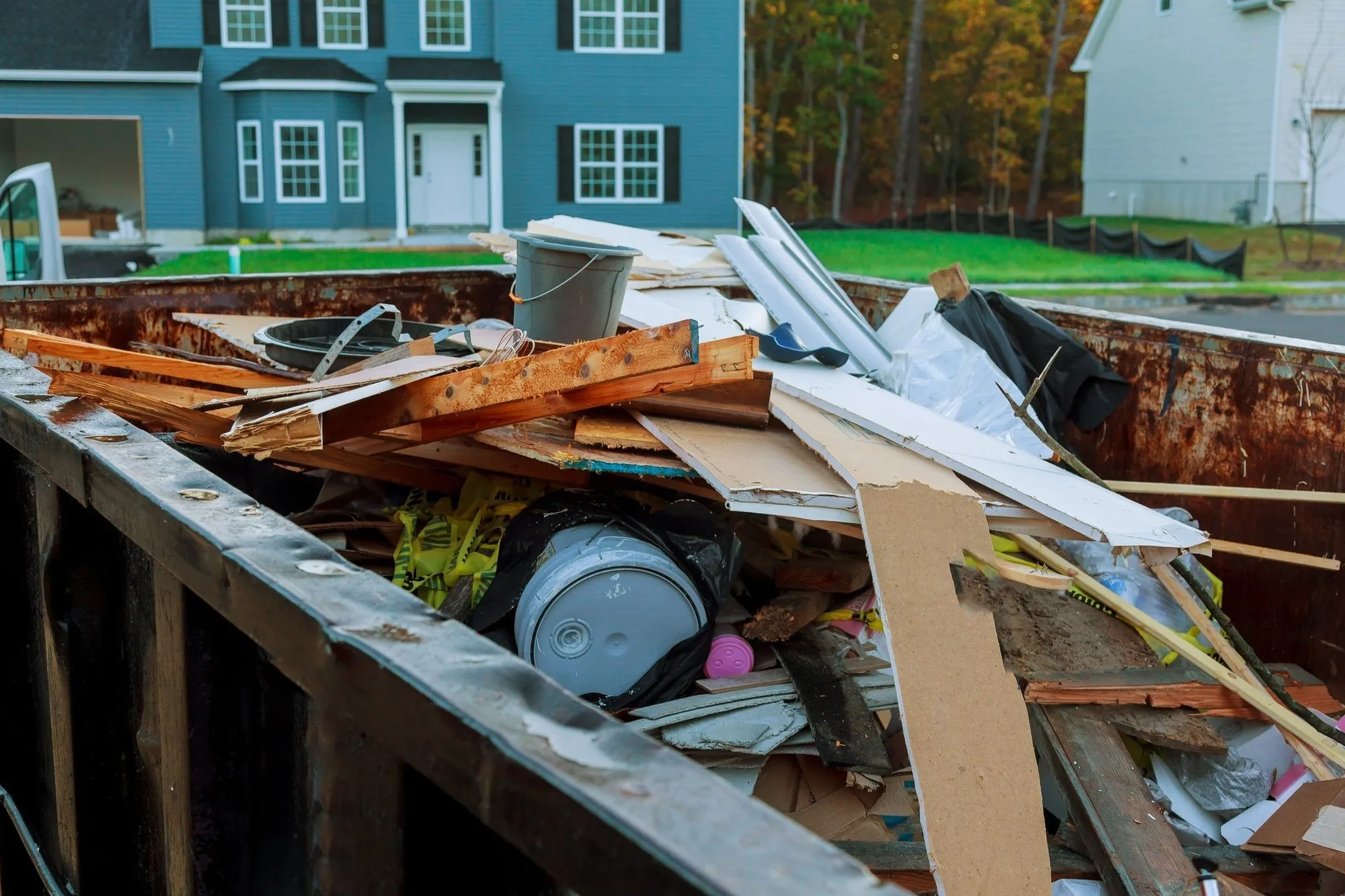
Before you schedule a garage cleanout
Which towns do you serve for garage cleanouts?
Mount Hope Junk runs out of Middletown, NY 10940. Towns on the regular schedule include Middletown, Mount Hope, Goshen, Warwick, Monroe, Chester, Newburgh, Otisville, Pine Bush, and Wallkill. Outside that list, call (845) 210-4477 and ask before you count on a visit.
How does an estimate work?
Call (845) 210-4477 or email hello@mounthopejunk.com. We come look at the pile and write what is included, what is not, and the price. The look is free in the towns we cover. A photo alone is not enough for a firm price when stairs and the carry from the truck change the work.
What will you not load?
Liquid paint, solvents, pesticides, propane tanks, and batteries stay behind. These materials are not included in the pickup. We call out the items a facility will not take on the visit, so you know before the truck is booked.
Can the garage fridge and old tires go?
The fridge goes only after certified refrigerant recovery, listed on its own line. Tires are confirmed before they ride, since facilities treat them as a separate stream with their own fee.
Do I have to sort the keepers myself?
Yes. You mark what stays before we start. A note on the wall beats a conversation after the truck is full, and we do not sort your keepsakes for you.
Can you clean out the shed at the same time?
Often, if access is clear. Tell us about narrow side yards, soft lawn, gates, and floor condition when you call, and send a photo of the path.
How soon can you start?
It depends on the jobs already booked. After the walkthrough you get a start window. We do not promise same-day.